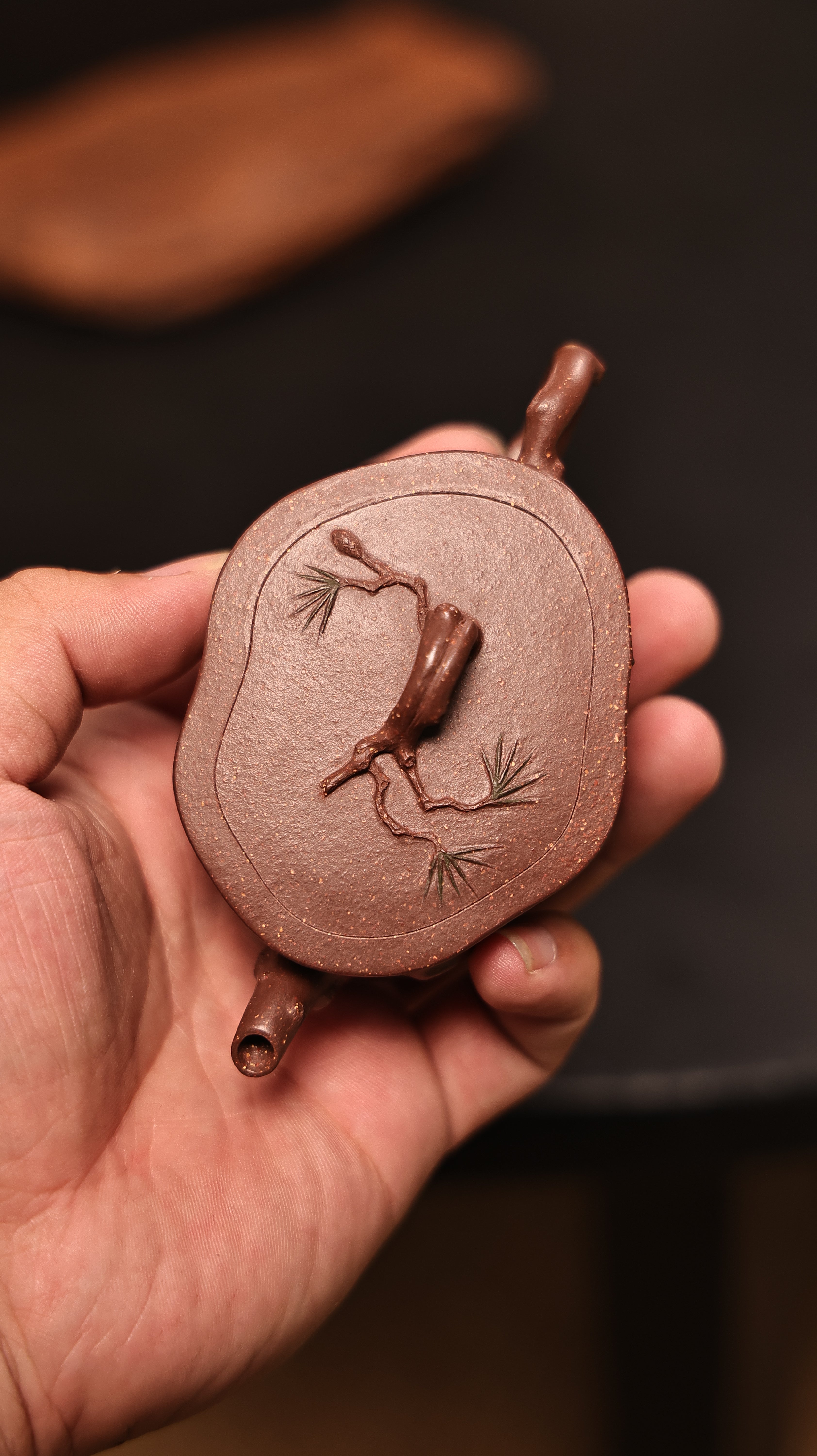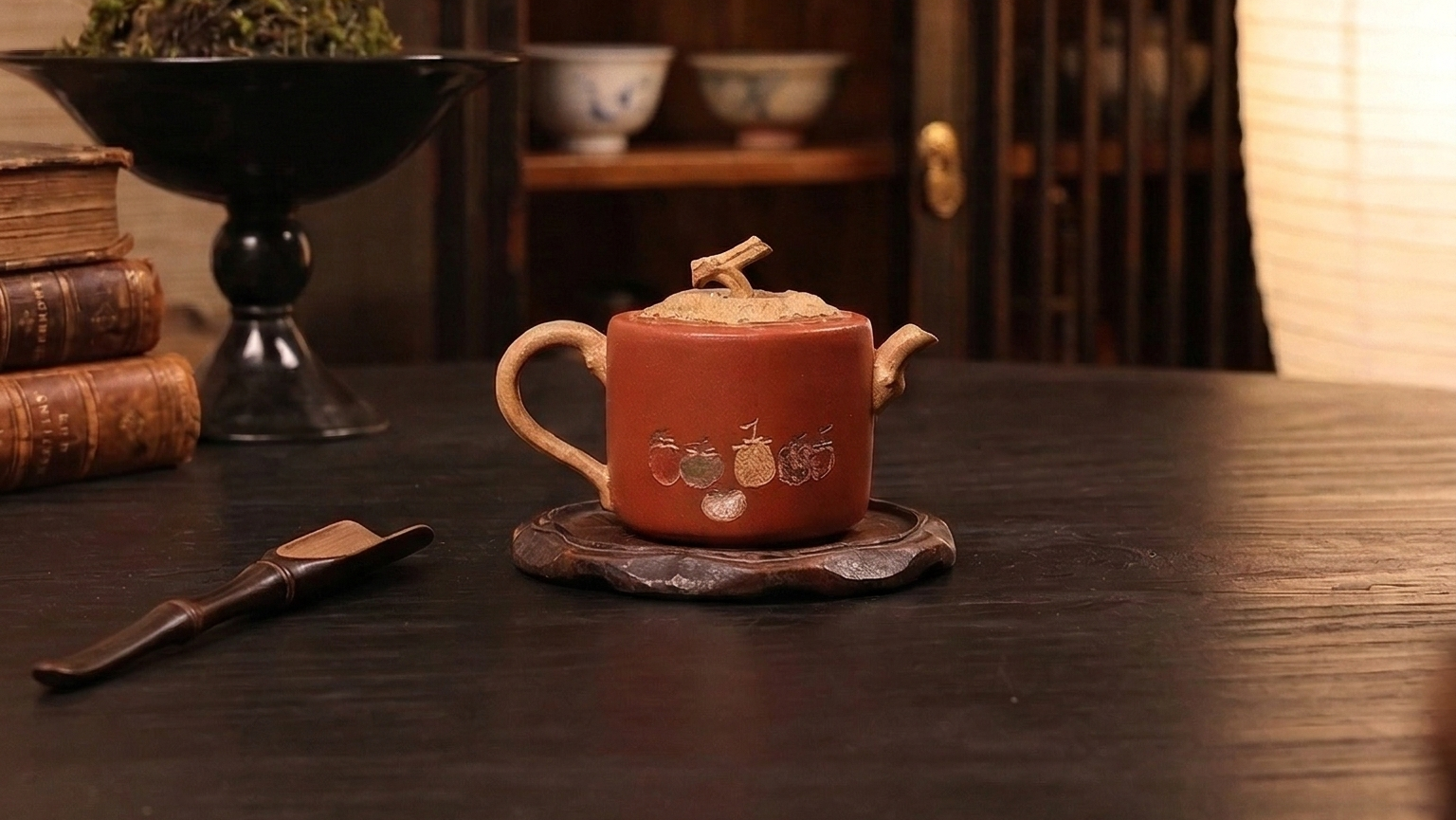
Sustained legacy marks Minjiang teapots within eras,
Illustrating unique traits derived through territorial amethyst components, the pots develop a sheen across utilization, augmenting bouquet released from extracted drinks.
Acknowledging Yixing Sediment: Exhaustive Insights into Zisha
Diverse admirers celebrate the distinctive texture of Yixing indigo clay, a base of heritage Chinese earthenware. Hailing from the Yixing region of Jiangsu province, this unique clay possesses an complex mineral makeup, that delivers incredible qualities to the manufactured items. Classes within Zisha, including Jiang Mud, Duan Ni Mud, and Jiang Xi Mud, each presents different shades, textures, and processing traits, changing the diffusibility and the terminal savor development of the tea.
Sino Jar Practices: Exploring Artistry
Eurasian teapots embody greater than mere holders for tea; they illustrate centuries of heritage skill. From the classic Yixing clay variations, respected for their transpiring nature which conveys distinctive tones to the infusion, to the elegant porcelain from Jingdezhen, each piece reveals a record of devotion. The development process is an elaborate undertaking, often transferred through houses of makers. These makers use historic techniques such as hand-building, sculpting on wheels, and adorned, demonstrating profound reverence for the foundation and the trade itself. Contemplate the passion invested in each piece as a symbol of Chinese pottery legacy.
- Southern vessels: a renowned option.
- Porcelain teapots: distinguished by their delicate design.
- Shaping techniques: a arduous yet fruitful procedure.
Zisha Urn Preservation: Conserving Your Prized Possession
Fitting care of your esteemed Yixing Zisha teapot is fundamental to extending its aesthetic. Crafted from exclusive purple sand earth, these fine teapots form a subtle patina after operation, significantly boosting their allure. Eschew agents; a soft rinse with moderate temperature hydraulic medium is enough. Shun high temperature water for washing the teapot, as it may weaken its body. Allow it to dry away from harsh daylight. Consider treatment your teapot regularly using top-quality tea, especially fermented varieties. Here is a brief manual:
- Wash off with tepid aqueous solution.
- Withhold detergents.
- Permit it to desiccate.
- Familiarize with select tea.
Lineage of Yixing Teapots: From Modest Roots
The chronicle of Yixing teapots initiates basically during the Zhao dynasty, estimated the 16th century. Initially, these vessels were not the prized products they are acknowledged nowadays. They were produced by provincial potters using the sole purple clay harvested solely in the Yixing vicinity. These early artifacts were mostly utilitarian, targeted for usual utilization and often unpretentious in layout. It was not until the successive dynasty that they launched to earn honor beyond mere utilitarian objects.
Deciding On the Best Chinese Vessel: A Novice's Handbook
Embarking the world of Yixing teapots can be intimidating, but shun worry! For first-timers, the fundamental factor is understanding the earth. Real Yixing clay is prized for its absorbency, allowing the teapot to capture the tea's tone over time, amplifying every making session. Evaluate the shape; traditional round shapes prevail, yet specific preferences are important. Lastly, review the finish—while some favor an plain appearance, others adore a light gloss. Take your time in the decision process—this is an investment in a adored piece of craft.
Yixing Teapots and Their Importance on Chinese Liquid Custom
Zisha jars, existing from Yixing, China, have profoundly dictated enduring Chinese beverage culture. The Yixing clay teapots, prized for their singular shade, fabric, and exceptional ability to impart a subtle savor to the drink, stand as more than mere ware; they are appreciated artworks and symbols of prominence. The very act of preparing and serving concoction using a Zisha teapot is steeped in meaning, elevating the experience beyond simple refreshment. Families of artisans have improved their techniques, passed down through generations, resulting in highly desired pieces. Accordingly, Zisha teapots are frequently admired, playing a crucial part in cultivating Oriental appreciation for aesthetics and the process of elixir ceremonies.
- Characteristic Clay Composition
- Conveying Subtle Flavor
- Beautiful Craftsmanship
Identifying Original Valuable Regional Pottery
Procuring a authentic Yixing teapot can be a enjoyable experience, but the realm is often overrun with replicas. Identifying between a true antique and a new reproduction requires exacting inspection. Key signs include the clay's coppery shade, often displaying striped decorations, and the absence of modern burning imprints. The outlines should seem natural sophistication, reflecting the traditional Yixing Zisha Teapot Yixing aesthetic. Finally, studying the manufacturer's signature is important to verify realness against published archives.
- Assess the clay's surface.
- Look for imperfections, indicative of manual quality.
- Employ an expert for appraisal.
Collecting Yixing Ceramic Vessels: A Extensive Explanation to 紫砂 Interpretation
The environment of Yixing Zisha pottery affords a significant circumstance for discerning enthusiasts. Continuously, the valuation of these well-made artifacts is influenced by several conditions, such as the level of material, the proficiency of the fabricator, the legacy significance, and, naturally, the current trade. Newcomers should prioritize on studying the several kinds of Zisha clay—such as Frozen River, Peaceful Container, and Vermilion Dirt—and investigating the traits linked to each. Rigorous scrutiny of the container's figure, color, and seal is also mandatory to make competent considerations when investing.