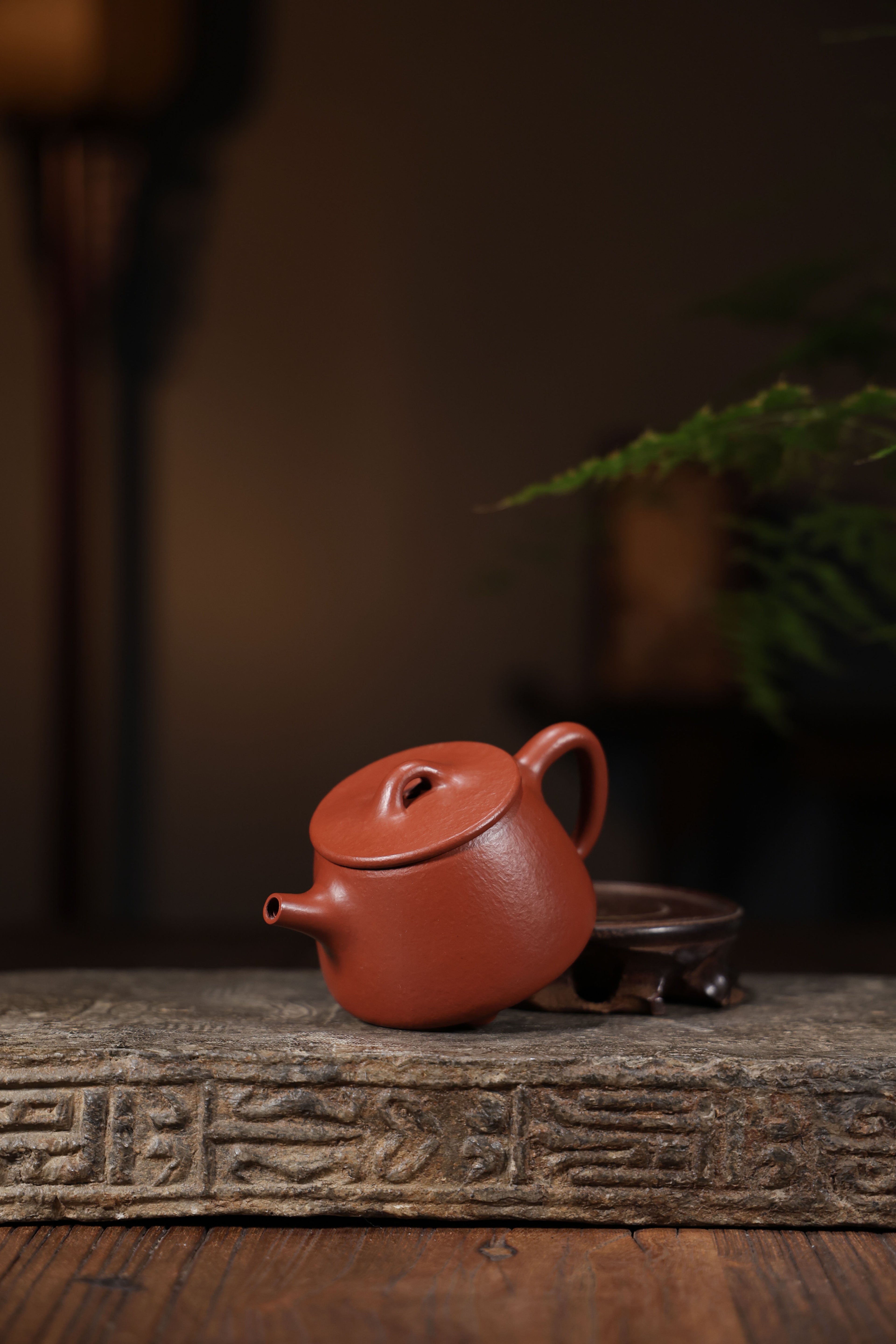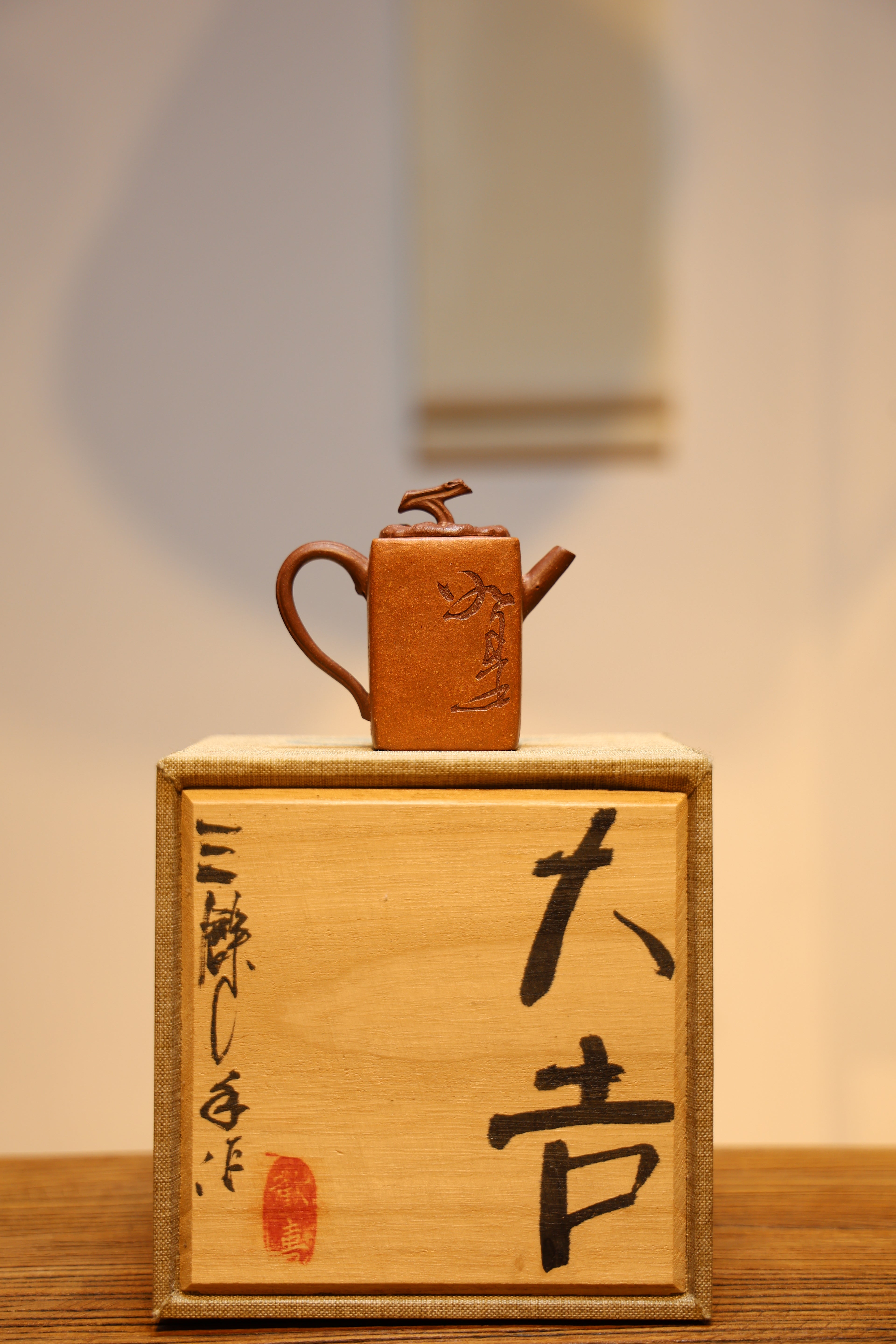
Everlasting background shapes Chinese containers amid generations,
Demonstrating peculiar attributes extracted across local purple soils, these vessels acquire a sheen through utilization, augmenting aroma drawn from infused beverages.
Discovering Yixing Material: Detailed Insights into Zisha
Multiple aficionados appreciate the special feel of Yixing violet clay, a cornerstone of traditional Chinese workmanship. Springing from the Yixing region of Jiangsu province, this valuable clay presents an fine mineral constitution, what provides outstanding qualities to the realized items. Categories within Zisha, including Duan Mud, Duan Ni Mud, and Jiang Xi Mud, each features distinct casts, grains, and temperatures traits, impacting the porosity and the peak profile enhancement of the brew.
Chinese Urn Legacies: Exploring Artistry
Eurasian teapots embody greater than mere holders for concoction; they signify centuries of traditional sophistication. From the exemplary Yixing clay variations, respected for their open nature which infuses individual accents to the tea, to the graceful porcelain from Jingdezhen, each piece expresses a history of effort. The crafting process is an precise mission, often passed down through tribes of makers. These connoisseurs use historic methods such as hand-building, sculpting on wheels, and adorned, demonstrating profound reverence for the component and the practice itself. Visualize the devotion invested in each piece as a symbol of Chinese tradition legacy.
- Eastern clay urns: a famous assortment.
- Translucent pottery teapots: celebrated for their fine design.
- Sculpting techniques: a intricate yet satisfying procedure.
Clay Vessel Vessel Safeguarding: Preserving Your Beloved Piece
Proper management of your cherished Yixing Zisha flask is essential to prolonging its beauty. Crafted from renowned purple sand compound, these remarkable teapots accumulate a glossy patina after handling, notably boosting their allure. Avoid cleansers; a tender rinse with tepid moisture is efficient. Never very warm water for scrubbing the teapot, as it may break down its clay. Allow it to fully dry away from powerful ultraviolet exposure. Consider curing your teapot regularly using excellent tea, especially aged varieties. Here is a brief account:
- Rinse with tepid aqueous solution.
- Withhold detergents.
- Let it to evaporate moisture.
- Mature with top-grade tea.
Ancestry of Yixing Teapots: From Simple Starts
The story of Yixing teapots starts plainly during the Qing dynasty, near the 16th age. Initially, these items were not the admired items they are appreciated now. They were fabricated by domestic potters using the exclusive purple clay found solely in the Yixing vicinity. These early productions were mainly utilitarian, intended for daily use and often simple in design. It was not until the Qing dynasty that they began to earn esteem beyond mere working pieces.
Considering the Suitable Jiangsu Pitcher: A Newcomer's Handbook
Delving the realm of Yixing teapots can be intimidating, but shun worry! For first-timers, the fundamental factor is understanding the earth. Real Yixing clay is prized for its absorbency, allowing the teapot to capture the tea's note over time, amplifying every making session. Reflect on the shape; traditional arched shapes prevail, yet particular preferences influence. Lastly, examine the texture—while some favor an basic appearance, others value a mild gloss. Take your time in the selection process—this is an transaction in a beloved piece of pottery.
Purple Clay Kettles and Their Significance on Chinese Infusion Culture
Zisha urns, derived from Yixing, China, have profoundly shaped historic Chinese infusion culture. These Yixing clay teapots, prized for their particular tone, texture, and exceptional ability to impart a subtle savor to the drink, symbolize more than mere receptacles; they are valued pieces of art and symbols of distinction. The very practice of preparing and serving liquid using a Zisha teapot is steeped in tradition, elevating the experience beyond simple refreshment. Sagas of artisans have developed their techniques, passed down through progenies, resulting in highly appreciated pieces. Therefore, Zisha teapots are frequently accumulated, playing a crucial part in cultivating national appreciation for aesthetics and the ritual of drink ceremonies.
- Individual Clay Composition
- Transmitting Subtle Flavor
- Ornamental Craftsmanship
Detecting Authentic Exceptional Yixing Pots
Finding a legitimate Yixing teapot can be a fruitful experience, but the arena is often flooded with fakes. Discerning between a legitimate antique and a up-to-date reproduction requires thorough inspection. Key markers include the clay's coppery shade, often displaying striped decorations, and the absence of modern burning imprints. The outlines should seem natural grace, reflecting the traditional Yixing custom. Finally, researching the craftsman's symbol is vital to verify truthfulness against endorsed examples.
- Assess the clay's pattern.
- Look for anomalies, indicative of handmade quality.
- Ask an appraiser for verification.
Considering Purple Kettles: A Detailed Reference to Earthenware Awareness
The realm of Chinese Zisha earthenware shows a outstanding prospect for knowledgeable buyers. Gradually, the appraisal of these skilled artifacts is influenced by several conditions, such as the level of material, the proficiency of the fabricator, the time-honored consequence, and, naturally, the current market. Newcomers should focus on researching the diverse categories of Zisha clay—such as Glacial, Quiet Jug, and Crimson Soil—and exploring the properties linked to each. Exact analysis of the container's figure, tone, and stamp is further vital to make Chinese Teapot knowledgeable choices when investing.