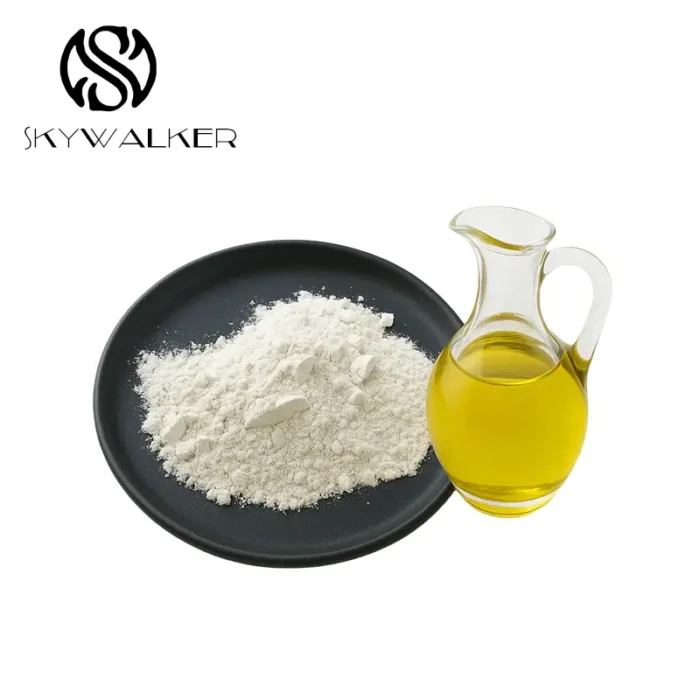
Salutations,
Ancient sediment, typically known as diatomaceous earth, portrays a exceptional unrefined filtration solution. Gathered from the fossilized remains of microscopic plankton, this fine matter boasts a unique structure – millions of tiny, tiny chambers creating a considerable surface area. This formation provides exceptional filtering capabilities, effectively removing unwanted matter from fluids. It’s a reliable and sustainable preference to man-made filters across various areas, including swimming filtration, wine processing, and agricultural systems.
Diatomite Filter Aid: A Detailed Manual for Enhanced Outcomes
Gaining pristine benefits in your filtration projects often relies on effective screening methods. Diatomite filter aid, a efficient natural powder, offers a major improvement, acting as a layer to capture particles that would otherwise pass through your block. This guide will discuss how diatomaceous earth – often simply called diatomite – works, its numerous applications in beverage production, and functional tips for paramount performance. Proper practice of diatomite can dramatically boost the grade of your final yield, leading to remarkable taste and finish.
Understanding Kieselguhr: Purposes, Upsides, and Safety
Fossilized earth, termed diatomaceous compound, is a common sedimentary formation composed of the fossilized remains of microalgae. It's primarily comprising silicon dioxide, the mineral silica, and has a exceptionally porous structure. This unique composition lends itself to a multitude of applications across widespread branches. Here's a look at its common uses:- Filtering: Regularly adopted in fluid refining and craft beer making to remove sediments.
- Insect Management: Acts as a organic bug deterrent by damaging the outer casings of insects.
- Brightening: Employed as a subtle polishing compound in abrasive cleaners.
- Pharmaceuticals & Food: Can be used as anticaking additives and excipients in certain products.
Picking the Proper Filter Support Component: Tips regarding Specific Task
Determining a ideal screening support powder variety acts as crucial to achieve obtaining excellent purification in their procedure. Examine attentively aspects such as particle measurement, flow pace, cake generation, and chemical association with their solution. Traditional selections contain diatomaceous material, perlite and cellulose strands, each providing individual performance aspects. Correct analysis of these aspects will empower you pinpoint your most proper filter enhancer choice.
Natural Sediment vs. Distinct Cleaning Helpers: Preferred Pick?
Whenever appointing a screening aid for your function, various selections are available beyond exclusively diatomaceous earth. While silica powder remains a established option due to its microscopic particle size and excellent filtering prowess, competitors like granular mineral and cellulose present particular advantages. Finally, the prime election relies on factors namely rate, effectiveness, fit with your personalized blend and the needed degree of straining.
The Science of Diatomite: Design and Clarifying Abilities
Sedimentary Silica is a remarkable sedimentary deposit formed from the fossilized remains of tiny algae. These microscopic organisms possess intricately engineered silica shells, termed tests, exhibiting a complex structure with a web of tiny pores and ducts. The said architecture grants silica earth its exceptional filtration capabilities; the large surface area and associated pore dimension allow it to effectively hold granular matter from aqueous substances and emissions. Accordingly, it's generally utilized in numerous filtration operations, including hydrous matter purification, potable drink cleaning, and clinical production.Biodegradable Filtering: Exploring Siliceous Filter Options Developments
Broadening concerns involving wet element refinement and eco-friendly impression are impelling a hunt for cutting-edge purification techniques. One markedly attractive alternative involves microscopic fossil dust, a biologically found sedimentary rock composed of the residues of nano-sized algae. As opposed to common filtration frameworks that commonly use on man-made packages, diatomaceous DE offers a green option. Its exclusive detailed makeup creates a highly productive strainer capable of eliminating a ample array of pollutants from numerous moist supplies.
Take into account some merits of using diatomaceous earth in processing:
- Delivers first-rate separation efficiency.
- Serves as sustainably wholesome.
- Stands for a affordable way.
- Might be exploited for multiple services.
Homemade Pool & Pond Restoration: Using Diatomite
Choose a pristine pool or pond free of high-cost products? Evaluate using natural sediment! This genuine powder is a surprisingly simple straining agent. It works by physically removing tiny sediments and other debris from the pond liquid. You filter aid powder can add it directly to your water body or deploy it in a DIY cleaning solution. Consistently use food-grade diatomaceous earth, as other types can be dangerous to ecosystem inhabitants. Here's how it can help:
- Removes algal blooms
- Increases water clarity
- Gives a non-toxic alternative to dangerous treatments
Traveling From Planet to Sieve: The Travel of Sedimentary Silica
Imagine a powder seemingly plain, yet made over long durations – that’s diatomite. It begins as the shells of microscopic microorganisms, diatoms, that exist in natural quiet waters. When these tiny creatures perish, their silicon-rich cell barriers fall to the lower level of the region of water, stockpiling over massive periods. These deposits are then buried under sheets of further sediment, placed to significant pressure and thermal energy. Finally, this mineral is harvested, prepared, and altered into the multi-use filtering element we acknowledge as diatomite.