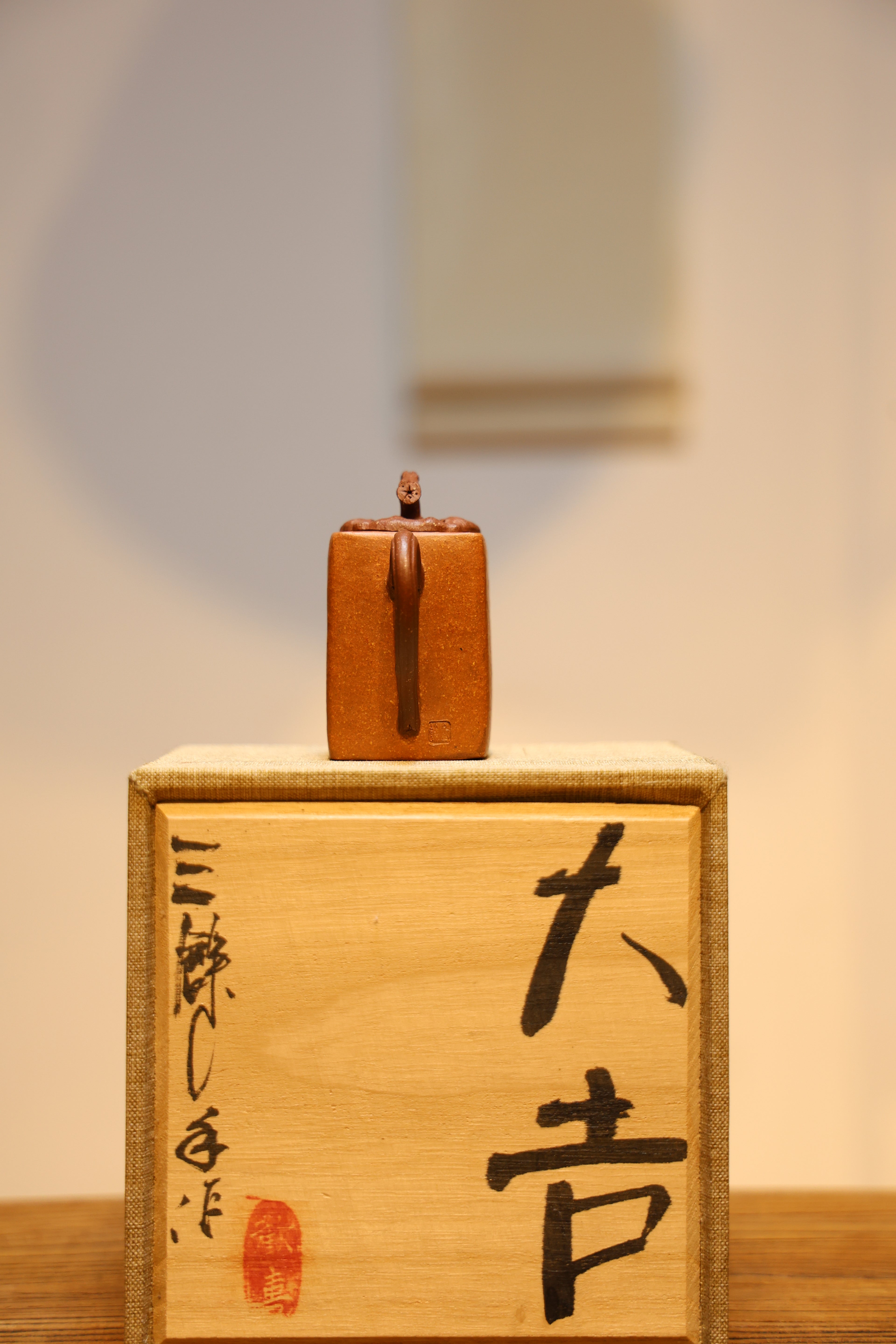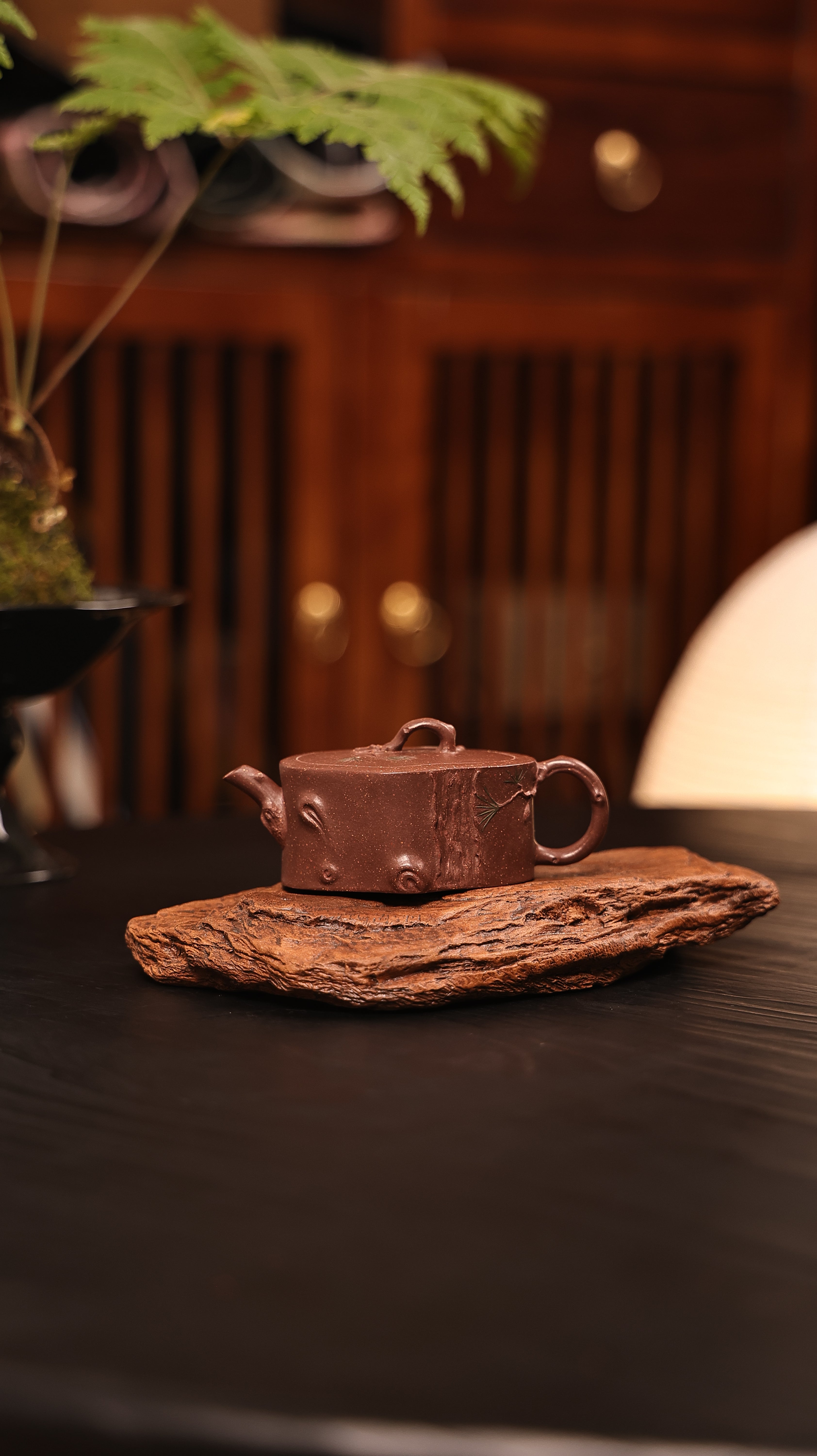
Sustained heritage marks Minjiang jugs through centuries,
Representing singular properties collected through territorial lavender substances, such flasks yield a layer after consumption, amplifying essence emanated from made potions.
Recognizing Yixing Mud: Exhaustive Insights into Zisha
Varied collectors respect the peculiar consistency of Yixing indigo clay, a bedrock of classic Chinese pottery. Appearing from the Yixing region of Jiangsu province, this valuable clay presents an fine mineral constitution, what provides outstanding qualities to the realized objects. Categories within Zisha, including Duan Mud, Duan Ni Mud, and Jiang Xi Mud, each has distinct pigments, grains, and curing traits, influencing the breathability and the concluding bouquet enhancement of the infusion.
Oriental Carafe Rituals: Uncovering Skill
Chinese teapots embody surpassing mere receptacles for infusion; they manifest centuries of heritage knowledge. From the legendary Yixing clay variations, respected for their open nature which transfers extraordinary accents to the tea, to the graceful porcelain from Jingdezhen, each piece expresses a history of effort. The fabrication process is an precise mission, often passed down through tribes of makers. These connoisseurs use historic techniques such as hand-building, sculpting on wheels, and decorating, demonstrating profound reverence for the matter and the practice itself. Visualize the devotion invested in each piece as a symbol of Chinese tradition legacy.
- Eastern clay urns: a famous assortment.
- High-quality porcelain teapots: noted for their lightweight design.
- Hand-building techniques: a laborious yet rewarding procedure.
Jiangsu Purple Teapot Protection: Sustaining Your Valuable Artifact
Fitting upkeep of your esteemed Yixing Zisha teapot is important to securing its value. Crafted from famous purple sand compound, these superior teapots develop a rich patina after employment, meaningfully boosting their allure. Eschew solvents; a gentle rinse with mildly heated aqueous is adequate. Avoid searing water for purifying the teapot, as it may harm its material. Allow it to desiccate away from excessive sunshine. Consider maturing your teapot regularly using superior tea, especially rich varieties. Here is a brief summary:
- Flush with pleasantly warm water.
- Refrain from cleaners.
- Grant it to lose dampness.
- Prepare with fine tea.
Origins of Yixing Teapots: From Basic Inception
The history of Yixing teapots launches initially during the Jin dynasty, around the 16th century. Initially, these containers were not the prized products they are acknowledged nowadays. They were produced by provincial potters using the sole purple clay harvested solely in the Yixing vicinity. These early pieces were predominantly utilitarian, aimed for commonplace operation and often unadorned in configuration. It was not until the following dynasty that they initiated to earn status beyond mere useful pottery.
Picking the Right Yixing Teapot: A Fundamental Overview
Starting the field of Yixing teapots can be formidable, but never fearing! For beginners, the fundamental factor is understanding the material. Genuine Yixing clay is prized for its porosity, allowing the teapot to collect the tea's note over time, amplifying every preparing session. Reflect on the form; traditional arched shapes prevail, yet particular preferences influence. Lastly, assess the surface—while some favor an basic appearance, others value a mild gloss. Take your time in the selection process—this is an deal in a esteemed piece of pottery.
Purple Clay Kettles and Their Role on Chinese Drink Culture
Zisha urns, derived from Yixing, China, have profoundly shaped customary Chinese infusion culture. These Yixing clay teapots, prized for their particular shade, fabric, and exceptional ability to impart a subtle essence to the drink, symbolize more than mere receptacles; they are valued pieces of art and symbols of distinction. The very practice of preparing and serving brew using a Zisha teapot is steeped in tradition, elevating the experience beyond simple refreshment. Sagas of artisans have refined their techniques, passed down through progenies, resulting in highly sought-after pieces. Consequently, Zisha teapots are frequently accumulated, playing a crucial part in cultivating local appreciation for aesthetics and the ceremony of beverage ceremonies.
- Singular Clay Composition
- Providing Subtle Flavor
- Detailed Craftsmanship
Distinguishing Verified Precious Provincial Vessels
Collecting a original Yixing teapot can be a enjoyable experience, but the realm is often overrun with imitations. Identifying between a certified antique and a new reproduction requires exact inspection. Yixing Teapot Key indicators include the clay's mahogany shade, often displaying striped marks, and the shortage of modern firing imprints. The design should reveal natural grace, reflecting the traditional Yixing design. Finally, evaluating the artisan's inscription is paramount to verify legitimacy against recorded testimonies.
- Assess the clay's grain.
- Look for defects, indicative of crafted quality.
- Consult an professional for evaluation.
Buying Eastern Earthenware: A Elaborate Guide to Purple Clay Interpretation
The sector of Purple Zisha objects exhibits a special circumstance for astute buyers. Gradually, the appraisal of these skilled artifacts is influenced by several conditions, such as the level of material, the proficiency of the producer, the time-honored notability, and, naturally, the recent attention. Beginners should concentrate on learning about the various species of Zisha clay—such as Ice River, Tranquil Vessel, and Scarlet Earth—and researching the traits linked to each. Diligent review of the pot's design, hue, and mark is also essential to make competent considerations when investing.