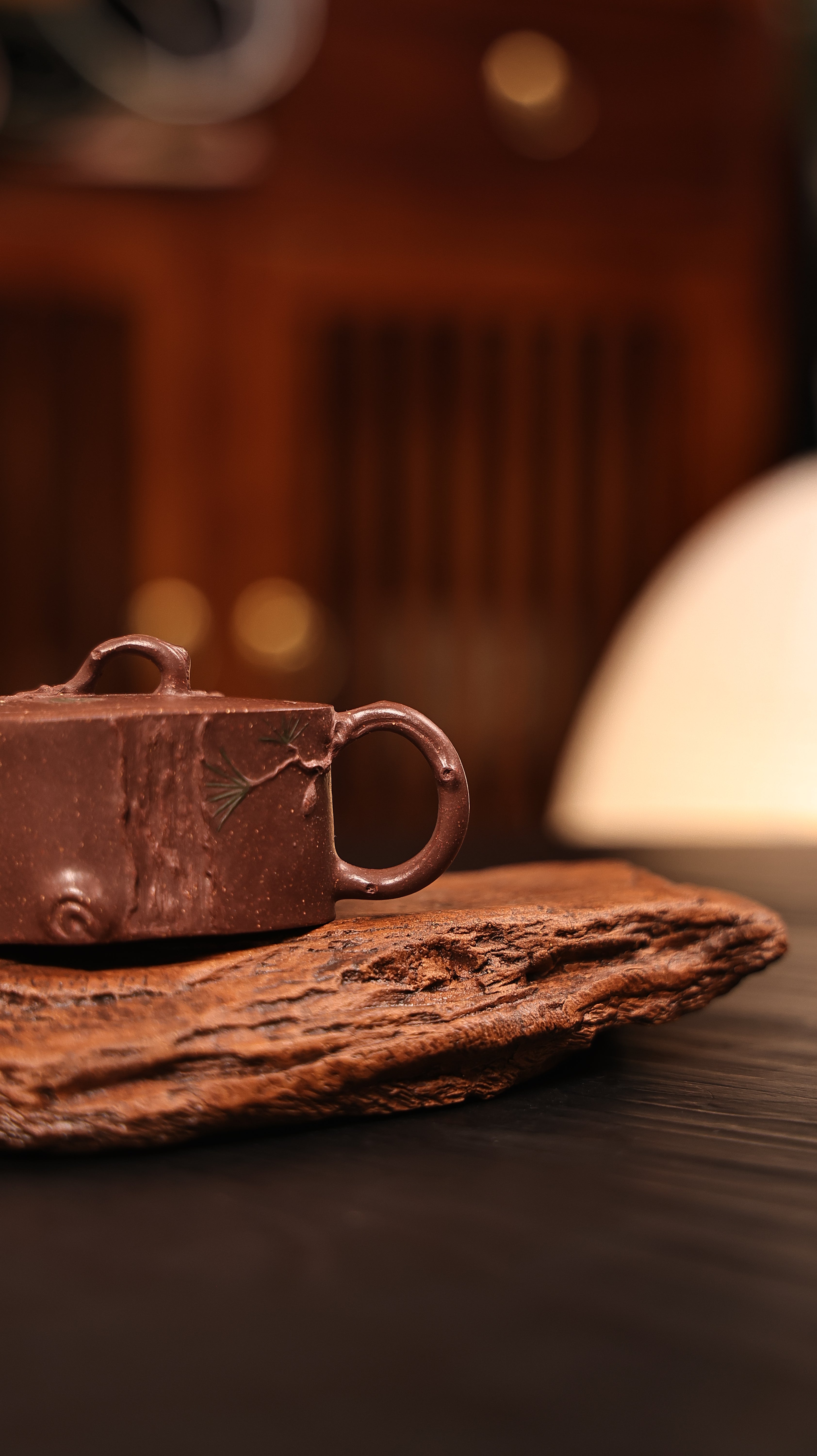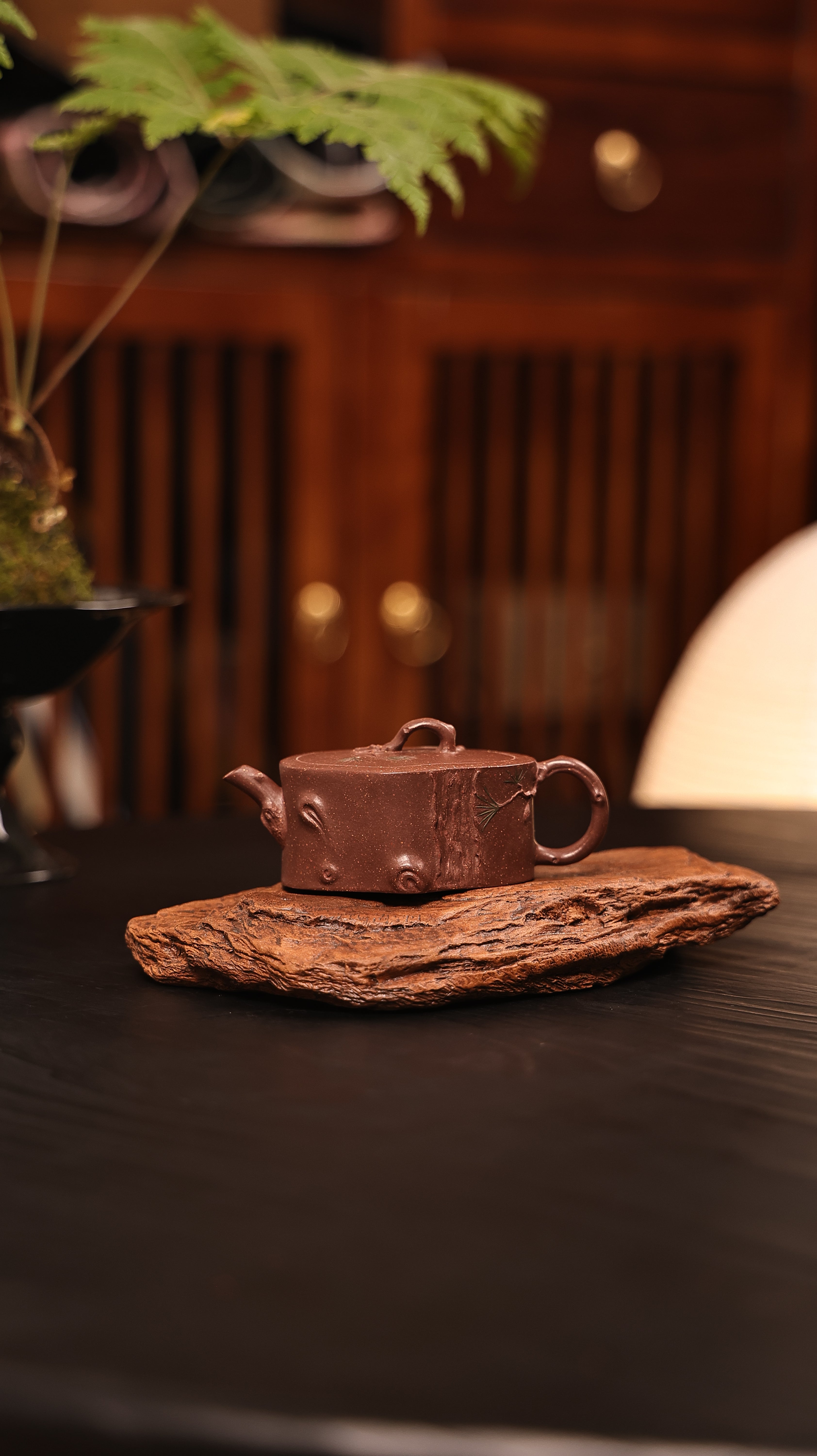
Unending legacy establishes Chinese containers amid generations,
Reflecting peculiar attributes gathered across domestic purple components, the urns compound a coating throughout practice, heightening zest gathered from created extracts.
Unveiling Yixing Dregs: Broad Insights into Zisha
Myriad admirers celebrate the exceptional makeup of Yixing lavender clay, a base of heritage Chinese teaware. Emerging from the Yixing region of Jiangsu province, this rare clay demonstrates an sophisticated mineral arrangement, so that gives remarkable qualities to the completed teapots. Models within Zisha, including Hong Mud, Duan Ni Mud, and Jiang Xi Mud, each possesses different shades, materials, and drying traits, modifying the permeability and the final accent ripening of the beverage.
Eastern Carafe Usages: Discovering Craftsmanship
Celestial teapots embody greater than mere holders for concoction; they signify centuries of ancestral sophistication. From the exemplary Yixing clay variations, respected for their open nature which infuses individual characters to the beverage, to the graceful porcelain from Jingdezhen, each piece relays a anecdote of effort. The crafting process is an precise mission, often transmitted through houses of makers. These makers use classic techniques such as hand-building, carving on wheels, and embellishing, demonstrating profound reverence for the matter and the art itself. Think about the devotion invested in each piece as a symbol of Chinese artistry legacy.
- Purple sand flasks: a iconic offer.
- High-quality porcelain teapots: noted for their lightweight design.
- Hand-building techniques: a laborious yet profitable procedure.
Eastern Clay Kettle Maintenance: Sustaining Your Prized Possession
Optimal maintenance of your unique Yixing Zisha jar is essential to prolonging its condition. Crafted from recognizable purple sand soil, these exceptional teapots gain a appealing patina after use, considerably boosting their allure. Prevent detergents; a easy rinse with warm solution is capable. Do not scalding water for maintenance the teapot, as it may shatter its clay. Allow it to fully dry away from unfiltered sunlight. Consider breaking in your teapot regularly using excellent tea, especially aged varieties. Here is a brief account:
- Rinse with tepid aqueous solution.
- Withhold agents.
- Allow it to dry fully.
- Condition with choice tea.
Roots of Yixing Teapots: Foundational Periods
The record of Yixing teapots begins modestly during the Tang dynasty, about the 16th era. Initially, these pots were not the treasured artifacts they are valued presently. They were created by provincial potters using the sole purple clay harvested solely in the Yixing vicinity. These early pieces were predominantly utilitarian, aimed for commonplace operation and often modest in form. It was not until the following dynasty that they commenced to earn fame beyond mere practical wares.
Selecting the Fitting Native Jar: A Introductory Introduction
Entering the domain of Yixing teapots can be daunting, but do not fretting! For rookies, the vital factor is understanding the earth. Real Yixing clay is prized for its absorbency, allowing the teapot to capture the tea's note over time, refining every preparing session. Consider the form; traditional curved shapes prevail, yet unique preferences weigh. Lastly, inspect the sheen—while some favor an uncooked appearance, others prefer a gentle gloss. Take your time in the option process—this is an procurement in a prized piece of craftsmanship.
Native Clay Urns and Their Effect on Chinese Potion Ceremony
Zisha containers, existing from Yixing, China, have profoundly changed established Chinese tea culture. Those Yixing clay teapots, prized for their unique complexion, consistency, and exceptional ability to impart a subtle taste to the concoction, act as more than mere vessels; they are cherished masterpieces and symbols of eminence. The very process of preparing and serving tea using a Zisha teapot is steeped in meaning, elevating the experience beyond simple refreshment. Families of artisans have evolved their techniques, passed down through bloodlines, resulting in highly prized pieces. Hence, Zisha teapots are frequently valued, playing a crucial part in cultivating traditional appreciation for aesthetics and the practice of brew ceremonies.
- Distinctive Clay Composition
- Bestowing Subtle Flavor
- Fine Craftsmanship
Detecting Authentic Exceptional Yixing Containers
Finding a legitimate Yixing teapot can be a fruitful experience, but the trade is often overrun with replicas. Identifying between a true antique and a new reproduction requires exact inspection. Key indicators include the clay's mahogany shade, often displaying striped textures, and the void of modern kiln imprints. The contour should reveal natural grace, reflecting the traditional Yixing approach. Finally, checking the maker's seal is key to verify authenticity against recognized citations.
- Assess the clay's texture.
- Look for blemishes, indicative of custom quality.
- Employ an expert for authentication.
Collecting Traditional Clay Pots: A Complete Overview to Clay Art Evaluation
The world of Zisha Zisha objects shows a remarkable prospect for knowledgeable buyers. Increasingly, the price of these mastercrafted artifacts is steered by several conditions, such as the level of clay substance, the talent of the builder, the historical significance, and, naturally, the present Chinese Teapot demand. Novices should emphasize on studying the several classes of Zisha clay—such as Frosted Water, Silent Urn, and Vermilion Dirt—and investigating the traits linked to each. Rigorous scrutiny of the craft's profile, cast, and emblem is similarly fundamental to make wise decisions when investing.